
Ledger confirms spy-implant hardware wallets sold via Southeast Asian resellers, with thefts tracked past $86 million, reports say
On October 15, 2026, Ledger publicly confirmed that criminal groups sold tampered hardware wallets through resellers in Southeast Asia, after devices fitted with covert spy implants were linked to cryptocurrency thefts. The company says its secure chip, operating system and servers were not compromised and describes the campaign as a localized distribution attack rather than a systemic supply-chain failure; that framing is Ledger's own, while an outside investigator has tied the devices to losses exceeding 86 million US dollars, a figure Ledger has not confirmed.
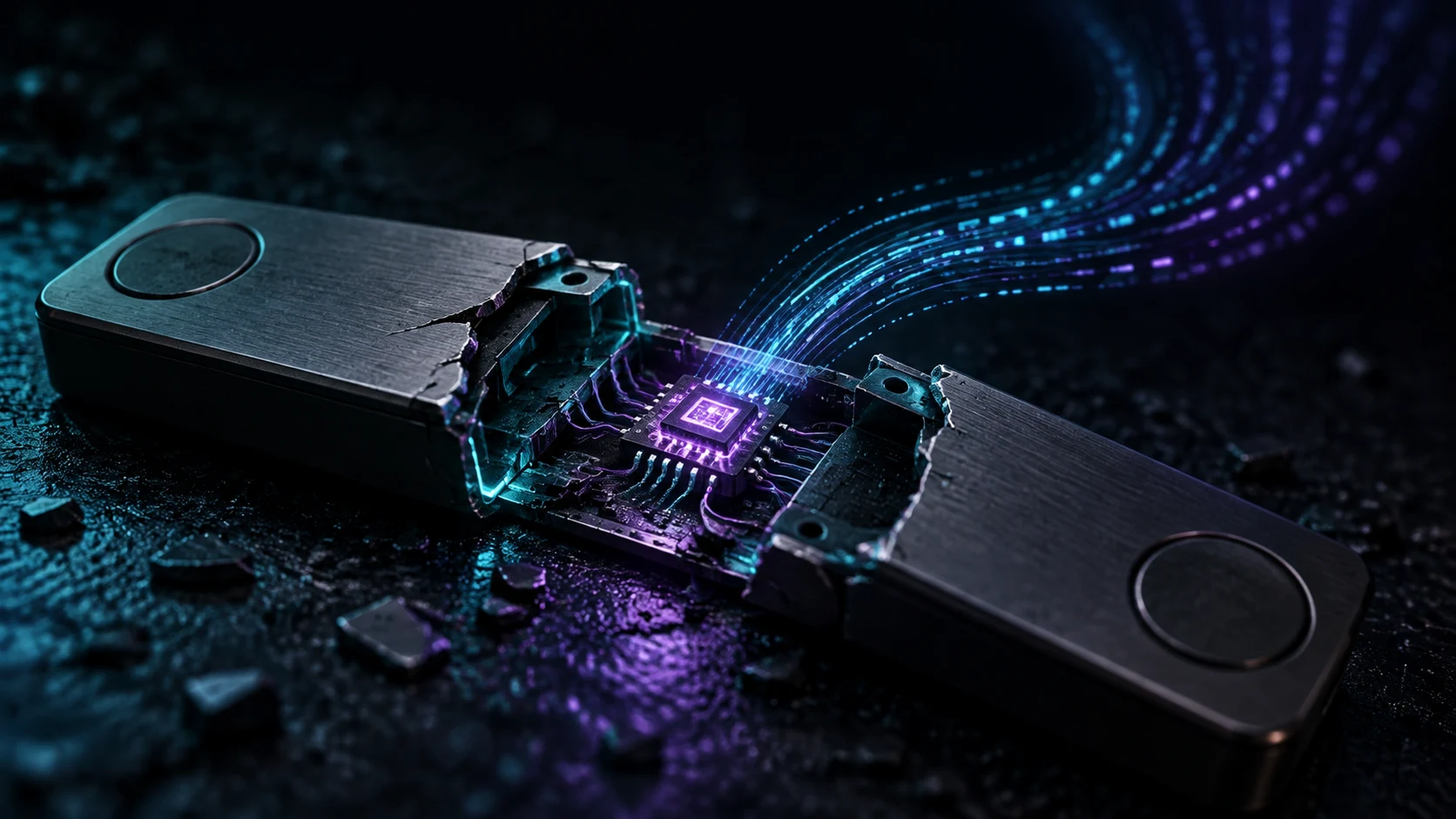
According to Ledger's official response, the attackers bought genuine Ledger devices, installed hidden components, and returned them into distribution through resellers in the region. Researchers Mark Karpelès and Tibane Labs, cited by BleepingComputer, documented two implant variants built for the Ledger Nano X: each adds an STM32 microcontroller, a 2-by-2-millimeter eSIM and an LTE module; one variant required swapping in a smaller battery, while the second fits into the foam space beneath the OLED panel. The implants use panelized flex PCBs ordered from a board house, pointing to small-batch manufacturing rather than hand-built one-offs, and the rigged devices were sold at roughly half the normal price, according to the researchers.
The implant reads the 24-word recovery phrase from the device screen during setup and exfiltrates it over LTE, according to Ledger's Donjon security team as reported by Decrypt. One detail matters more than the rest for owners: Ledger's Genuine Check cannot flag an implanted device when the genuine Secure Element is still intact, the company told BleepingComputer, so passing the software check does not clear a suspicious unit.
Ledger says every confirmed loss report traces to devices sold through one reseller, CryptoBilis of Malaysia, which operates across Southeast Asia, as reported by BleepingComputer and Decrypt. The company's timeline, as pieced together from its statements and the coverage: the first loss report arrived on October 9, the first implant was confirmed on October 10, by October 11 all reports pointed to CryptoBilis, on October 13 Ledger asked resellers to stop selling its devices, and on October 15 it published its formal response.
That stop-sale request covers seven markets: Indonesia, Singapore, Thailand, the Philippines, Vietnam, Malaysia and Hong Kong, per Decrypt and Ledger's October 13 posts. In Singapore, tampered devices were found sold at the Metapod store in Changi Airport, with another reported from Challenger at VivoCity, the Straits Times reported. Separately, retailer MediaMarktSaturn pulled Ledger products in 11 markets after a customer in Germany reported an implanted device, though no funds were lost in that case, according to the Straits Times and Decrypt; Ledger says its warehouse stock and test purchases, including in Germany, came back clean.
The loss estimate of more than 86 million US dollars comes from on-chain tracking by the independent investigator Specter, cited by Decrypt, and from blockchain analysts cited by the Straits Times; Ledger has not confirmed the scale of the thefts or a victim count. The reach also extends beyond the seven named markets: Tibane Labs, via BleepingComputer, found two implanted devices in Japan bought through Amazon Japan and Yahoo Auctions Japan from China-based sellers, shipped from Malaysia, evidence that the tampered stock moved through online marketplaces as well as physical resellers.
Ledger's new reseller rules bar returns from being resold, require products to be handed over at purchase rather than displayed on open shelves, and demand immediate reporting of suspicious stock, according to its blog post. Rival Trezor will end its reseller authorization program on January 1, 2027 as what it calls a precautionary measure, without evidence its own devices were compromised, Decrypt reported. The practical advice from Ledger for buyers in affected markets: purchase only through official channels, and if a device from an affected reseller was already set up, move assets to a wallet with a newly generated recovery phrase. The episode is not a platform breach but a last-mile distribution attack, and the discounted price was the tell.