
DIFC Courts put authenticity credentials on Avalanche, not confidential case files
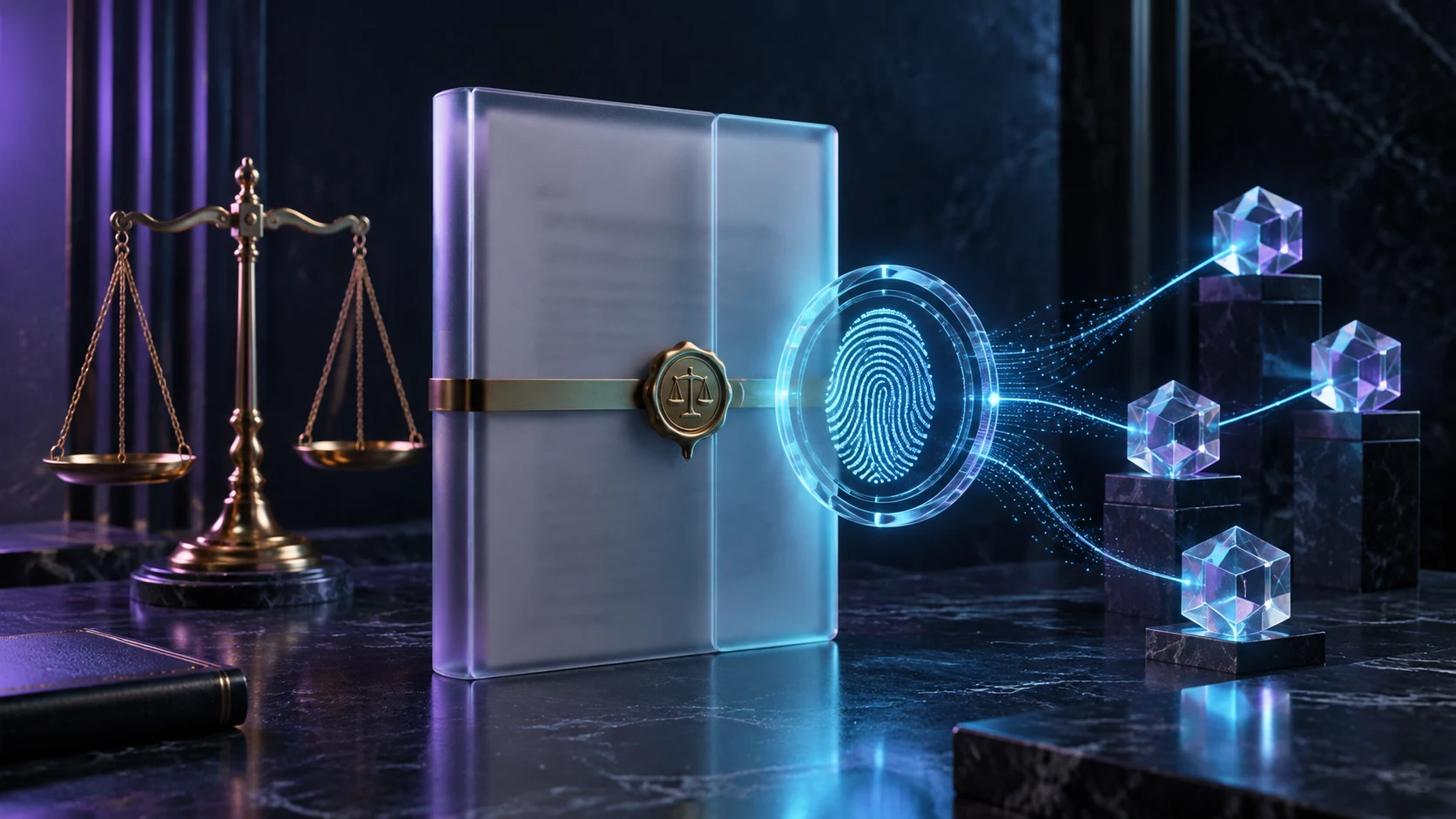
DIFC Courts announced on October 14, 2026 that court orders and hearing records now carry blockchain-verifiable authenticity credentials. The Dubai court says recipients can use the credentials to check a document's origin and integrity across borders without placing its content on-chain.
The system links a cryptographic fingerprint of each issued digital file to a unique NFT-based credential recorded on Avalanche C-Chain. The credential is nontransferable. It is designed to verify a document, not to create a collectible or a tradeable ownership token for a case.
According to DIFC Courts, a recipient checks the document against its credential to confirm the issuing source and detect changes to the file. An altered file fails that verification check under the process described in the announcement.
The court states that the document itself is not stored on the blockchain. It also says no document content or confidential case information is recorded on-chain. The public-chain record supports authenticity verification rather than publication of the underlying judicial record.
The release names court orders and hearing records. It does not establish that every kind of DIFC Courts document is covered. The court describes verification in seconds and reduced cross-border authentication delays; this report has not independently tested that speed or measured those savings.
The credential addresses origin and integrity. The announcement notes that recipients in another jurisdiction may need to establish a document's legal status as well as its authenticity. A verification result should therefore not be treated as proof that another jurisdiction has recognised or enforced an order.
Deca4 Advisory designed and implemented the system, according to the court, and integrated it with existing document infrastructure. The release separately says DIFC Courts Notary Service notarisation transactions are recorded on Hedera. That is a different workflow from the new Avalanche credentials for orders and hearing records.