
Ledger says a hidden implant read recovery words from the screen and sent them over LTE.
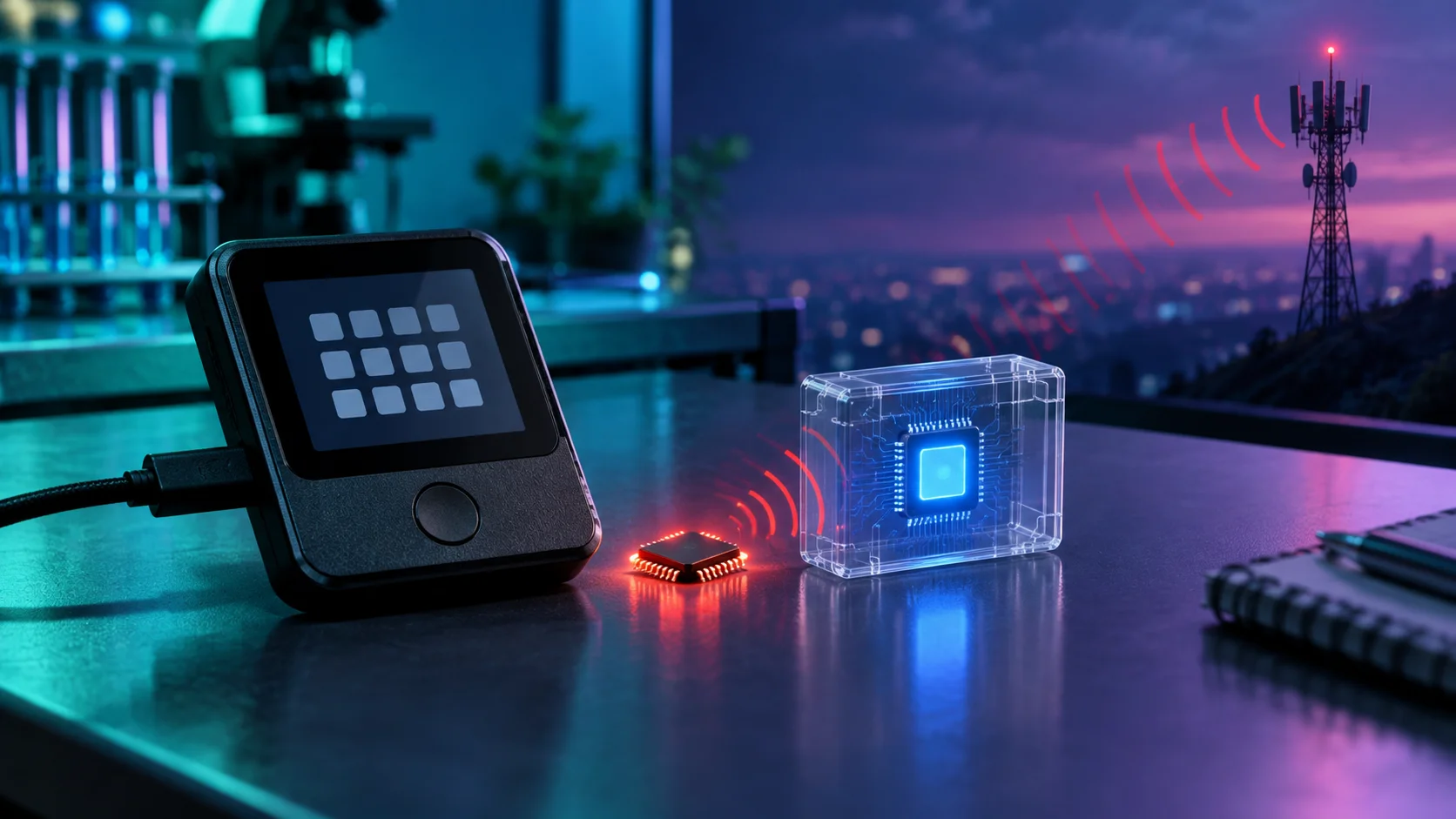
Ledger's Donjon security team has explained how an unauthorized hardware implant in the CryptoBilis investigation can capture a recovery phrase from a signer's screen and send it over a cellular connection. The October 13 update, posted at 06:39 UTC, adds a technical mechanism to the earlier confirmation of an implant in one affected device.
According to Ledger, the implant sits inside the enclosure and reads the data shown on the screen. During setup, the signer displays the 24-word recovery phrase. When those screens appear, the implant's microcontroller decodes the words and transmits them over LTE using a provisioned eSIM.
The implant is a separate component, Ledger says. It does not modify the Secure Element or Ledger operating system, and it does not alter transactions or signatures. The reported attack targets the moment recovery words are displayed rather than demonstrating a break of the normal cryptographic signing system.
This is a follow-up to the CryptoBilis incident, not a claim that all Ledger devices are compromised. Ledger first confirmed an unauthorized implant in one affected user's signer on October 10. It says all confirmed fund losses tied to the incident disclosed on October 9 involve signers sold through CryptoBilis, and it has not verified a drain linked to a signer bought elsewhere.
Ledger has not confirmed the total number of affected users or the total value lost. Reports of implants in other signers and locations are being reviewed, but those reports are not confirmation that the devices are connected to the verified CryptoBilis drains. Third-party loss estimates should not be read as an official total.
For CryptoBilis customers who have not set up their signer, Ledger says not to initialize it and to contact official Ledger Support. For customers who have already set it up, Ledger says to transfer assets promptly to a new signer with a new recovery phrase. It also says not to enter or restore any recovery phrase on a signer bought from CryptoBilis.
Never enter a recovery phrase into a website, app or form, and never share it with anyone offering support or recovery. Ledger says it will never call, directly message or ask for the 24-word phrase. Use the official support destination named in its update: http://support.ledger.com .
If funds were lost or a signer is suspected to be tampered with, Ledger says to contact its support team and report the matter to local law enforcement. Do not send the device to anyone before speaking with support or law enforcement. Coordinate with law enforcement before opening it if funds were lost, so physical evidence is preserved. This article is not a device-opening guide.
The investigation remains open. Donjon says it will analyze signers it receives and publish more findings. The screen-reading and LTE mechanism is the new information; the wider distribution scope, affected-user count and verified loss total remain unresolved.
Sources: Ledger update, October 13, 2026, 06:39:17 UTC: https://x.com/Ledger/status/2109896739985453358 . Direct X fetching was unavailable; text was recovered through a public mirror and checked against https://www.cryptotimes.io/2026/10/13/ledger-explains-cryptobilis-hack-as-questions-over-tampered-wallets-in-europe-asia-persist/ . This is security news, not financial advice or a recommendation to trade. The hero is an original conceptual illustration, not a product photo or technical teardown diagram.